Why Are Electronic Patient Records Important in Modern Healthcare?
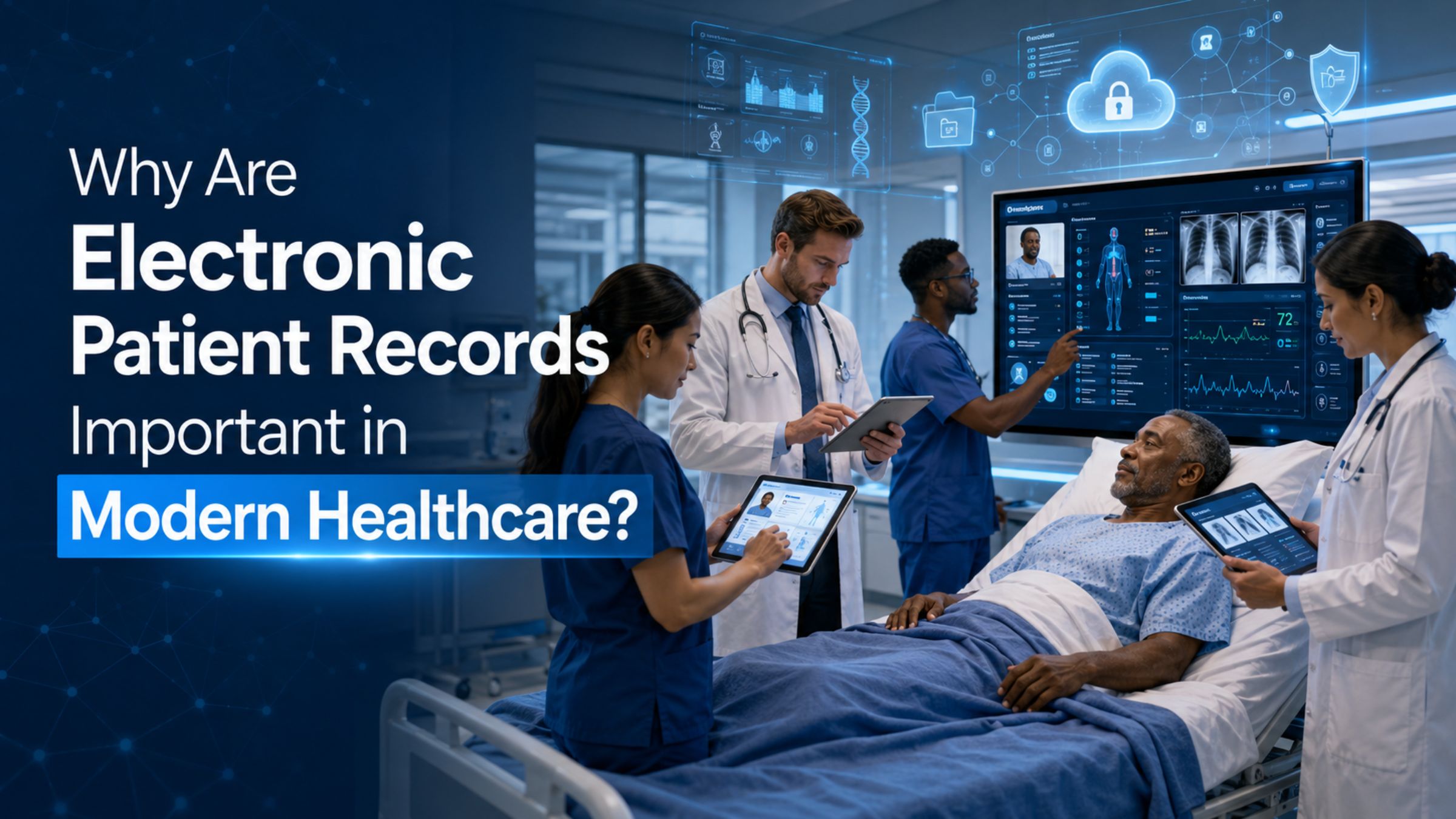
Ask any doctor who practiced in the paper era, and they'll tell you a version of the same story: a critical patient arrives, their file is missing, and treatment decisions get made with half the picture. That's the problem the electronic patient record was built to solve. An electronic patient record (EPR) is a digital version of a patient's complete medical history diagnoses, medications, allergies, lab results, imaging, and clinical notes — stored securely and accessible instantly to authorized healthcare staff. In modern healthcare, it's important because it puts complete, accurate information in front of clinicians at the exact moment decisions are made, which directly improves safety, speed, and quality of care.Having spent years writing about health technology and speaking with clinicians who lived through the paper-to-digital transition, I can say the shift wasn't just about convenience. It changed what's medically possible in a ten-minute consultation. Here's why these systems have become the backbone of modern hospitals and clinics.
1. Complete Information at the Point of Care
Medicine runs on context. A prescription that's safe for one patient can be dangerous for another with a kidney condition or a drug allergy. With an electronic patient record, the treating doctor sees the full history in seconds — past diagnoses, current medications, allergy alerts, recent lab values instead of relying on the patient's memory or a folder that may be sitting in another department. That completeness is the difference between informed decisions and educated guesses.
2. Fewer Medical Errors
Illegible handwriting on prescriptions was once a genuinely deadly problem. Digital records eliminate it entirely, and they go further: built-in alerts flag drug interactions, duplicate prescriptions, and abnormal dosages before they reach the patient. Studies across healthcare systems have consistently linked digital records with meaningful reductions in medication errors one of the most preventable causes of patient harm.
3. Faster, More Coordinated Care
A patient today rarely sees just one clinician. A single treatment journey might involve a GP, a specialist, a radiologist, a lab, and a pharmacist. Paper records forced each of them to work in isolation; digital records let them work from the same, up-to-date file. Referrals carry full context, test results appear the moment they're ready, and nobody orders a repeat scan simply because the first one couldn't be found. For patients, that means fewer repeated tests, fewer repeated questions, and faster answers.
4. Better Patient Safety in Emergencies

In an emergency, minutes matter and patients often can't speak for themselves. An electronic patient record gives emergency teams instant access to blood group, allergies, chronic conditions, and current medications — information that can change a treatment decision on the spot. This is arguably the single most life-saving argument for digitized records.
5. Data Security and Controlled Access
It sounds counterintuitive, but digital records done properly are more secure than paper. A paper file can be read by anyone who picks it up, lost in a fire, or misfiled forever. Digital systems use encryption, role-based access, and audit trails that log every single person who views or edits a record. Compliance frameworks like HIPAA and GDPR set strict standards, and modern systems are built around them.
6. Powering Better Healthcare Decisions at Scale
Beyond individual care, digitized records turn hospitals into learning systems. Administrators can spot infection trends, track treatment outcomes, manage bed capacity, and identify gaps in care insights that were practically impossible when data lived in filing cabinets. Public health surveillance, clinical research, and quality improvement all run on this foundation.
7. Empowering Patients Themselves
Modern systems increasingly include patient portals, letting people view their own results, prescriptions, and appointment history. Patients who can see their records ask better questions, follow treatment plans more closely, and catch errors clinicians might miss. Healthcare works better when it's transparent to the person it's about.You can also watch: Everyone is working, but the system is not connected.
Final Thoughts
The case for the electronic patient record in modern healthcare comes down to one principle: better information leads to better care. Complete histories reduce errors, instant access speeds up treatment, coordinated records connect entire care teams, and secure systems protect patient privacy far better than paper ever did. The hospitals delivering the safest, fastest, most connected care today are the ones that treat patient data as a clinical asset — not an administrative burden.
Frequently Asked Questions
1. What is an electronic patient record?
An electronic patient record is a secure digital file containing a patient's complete medical history — including diagnoses, medications, allergies, lab results, and clinical notes — accessible to authorized healthcare providers.2. What is the difference between an EPR and an EHR?
The terms overlap heavily. An EPR typically refers to a patient's record within a single hospital or organization, while an EHR (Electronic Health Record) is designed to be shared across multiple providers and healthcare settings.3. Are electronic patient records safe?
Yes — when properly implemented. They use encryption, role-based access controls, and audit trails, and must comply with regulations like HIPAA or GDPR, making them significantly more secure than paper files.4. How do electronic patient records reduce medical errors?
They eliminate illegible handwriting, flag drug interactions and allergies automatically, prevent duplicate prescriptions, and ensure clinicians always work from complete, current information.5. Can patients access their own electronic patient records?
In most modern systems, yes. Patient portals allow individuals to view their test results, prescriptions, visit summaries, and upcoming appointments, and in many regions patients have a legal right to access their records.