How Does OPD Management Work in Hospitals? A Complete Guide
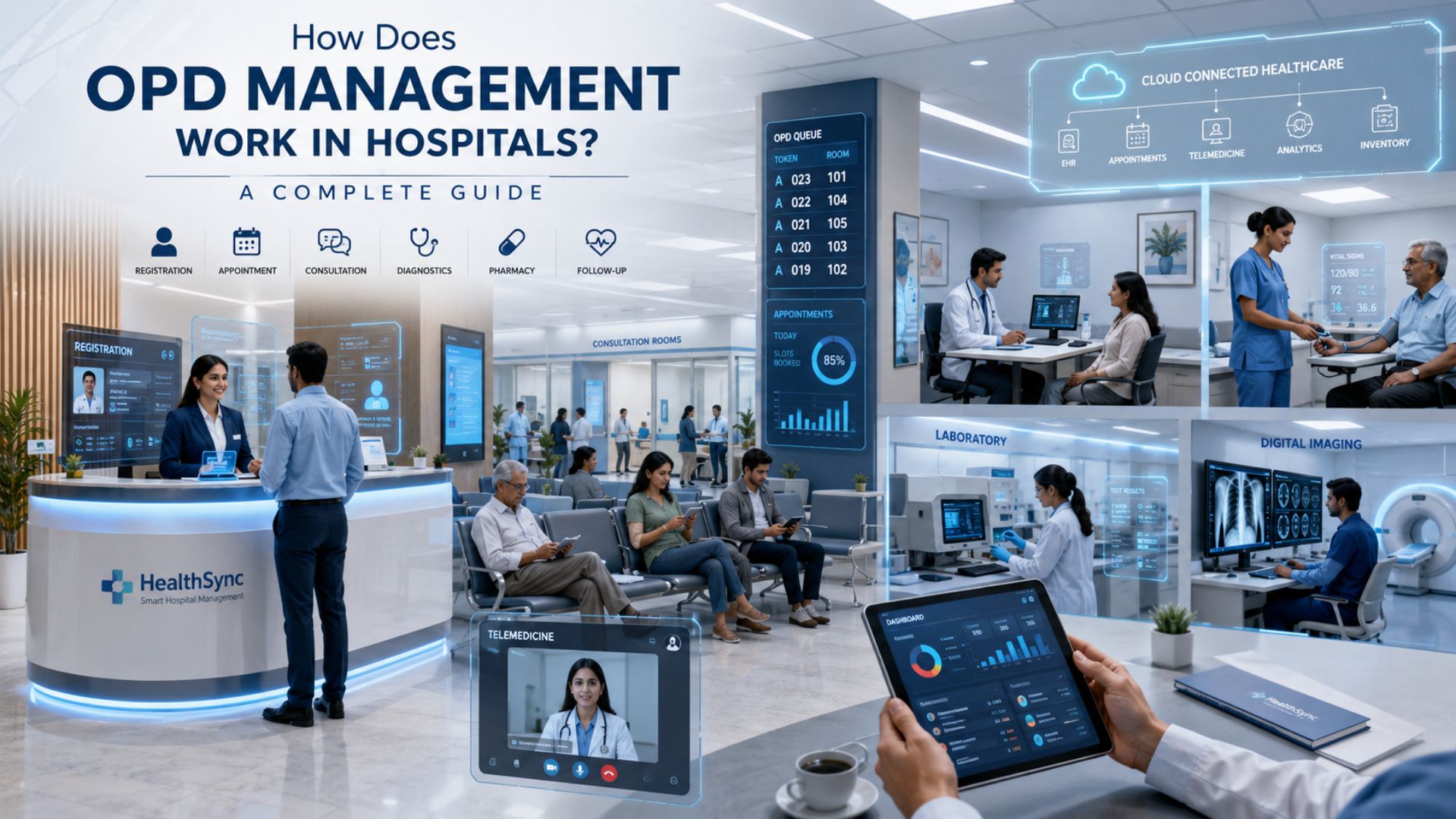
Walk into any busy hospital at 9 a.m. and you'll see it: crowded registration counters, patients clutching token slips, nurses juggling files, and doctors running behind schedule before the day has even started. Behind the scenes, there's a system trying to hold it all together and that system is OPD management. In simple terms, OPD management is the process of organizing every step of a patient's outpatient journey, from appointment booking and registration to consultation, billing, and follow-up. When it works well, patients barely notice it. When it doesn't, everyone feels it.Having worked closely with hospital administrators over the years, I can tell you the difference between a smooth OPD and a chaotic one rarely comes down to staff effort — it comes down to process. This guide breaks down exactly how the outpatient department works, step by step, and what separates well-run OPDs from struggling ones.
What Is an OPD, Exactly?
OPD stands for Outpatient Department the section of a hospital where patients receive consultation, diagnosis, and minor treatment without being admitted. For most hospitals, the OPD is the front door. Studies consistently show that a majority of patients form their opinion of an entire hospital based on their OPD experience alone. That's why managing it well isn't just an operational concern it's a reputation concern.
The OPD Workflow: Step by Step
1. Appointment Scheduling
The journey begins before the patient arrives. Appointments may come through phone calls, walk-ins, hospital websites, or referral desks. The scheduling stage decides everything downstream: how many patients each doctor sees, how long the queues get, and whether the waiting area feels calm or chaotic. Hospitals that allow slot-based bookings (rather than "come anytime before noon") consistently report shorter wait times.
2. Patient Registration
At the front desk, patient details are captured demographics, contact information, insurance or payment details, and a unique patient ID. For returning patients, records are retrieved instead of recreated. This step sounds simple, but it's where most bottlenecks are born. Duplicate records, misspelled names, and missing histories cause delays that ripple through the entire day.
3. Token and Queue Management
Once registered, the patient enters the queue. Whether it's a paper token or a digital display board, the goal is the same: fairness and predictability. Patients tolerate waiting far better when they know their position in line. Poor queue handling is the single biggest driver of OPD complaints in most hospitals.
4. Vitals and Pre-Consultation
Before seeing the doctor, nursing staff typically record vitals blood pressure, temperature, weight, pulse. This preparation means the doctor spends consultation time on diagnosis rather than data collection, which shortens each visit without shortchanging the patient.
5. Doctor Consultation
This is the heart of the visit. The doctor reviews the patient's history, examines them, makes a diagnosis, and prescribes treatment. Effective OPD management ensures the doctor has the complete patient record in front of them at this moment previous visits, lab reports, allergies, ongoing medications. Fragmented records force doctors to work half-blind and patients to repeat their story every single visit.
6. Diagnostics and Pharmacy
If tests are needed, the patient moves to the lab or imaging department; if medicines are prescribed, they head to the pharmacy. Coordination here matters enormously. A well-integrated system routes lab orders instantly and attaches results to the patient file, so nothing gets lost between departments.
7. Billing and Payment
Billing consolidates all charges consultation, tests, procedures — into a single transparent invoice. Errors at this stage damage trust faster than almost anything else, which is why streamlined OPD management treats billing accuracy as non-negotiable rather than an afterthought.
8. Follow-Up and Feedback
The visit doesn't truly end at payment. Follow-up appointments are scheduled, reminders are sent, and feedback is collected. Hospitals that close this loop see noticeably better treatment adherence and patient retention.
Common Challenges Hospitals Face
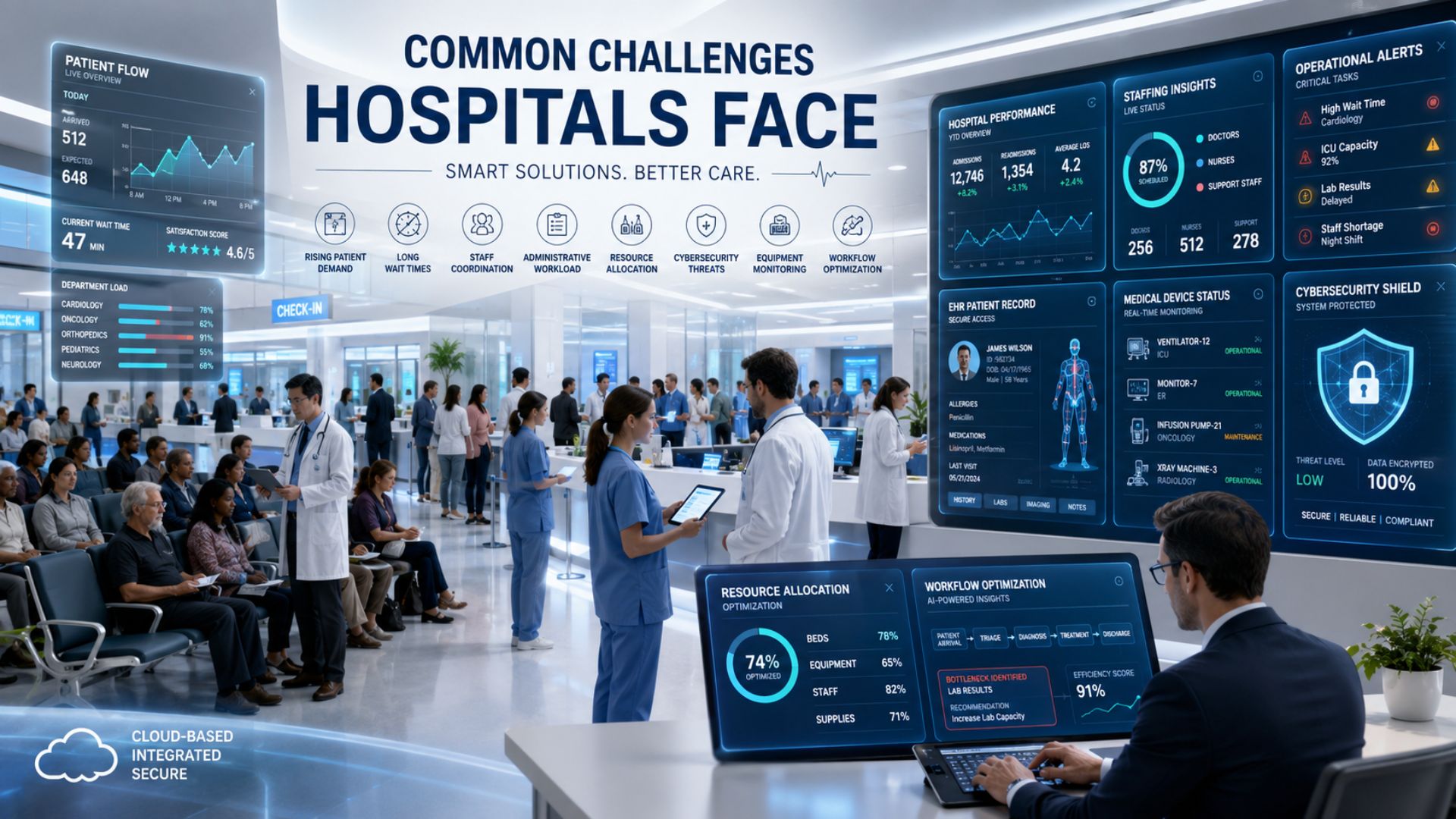
Even with a clear workflow, real-world OPDs struggle with predictable problems: overcrowding during peak hours, no-shows that waste doctor time, paper records that go missing, poor interdepartmental communication, and staff burnout from repetitive manual tasks. Most of these issues share one root cause information not moving as fast as patients do.
What Good OPD Management Looks Like
The best-run outpatient departments share a few habits: they schedule in defined slots, digitize patient records, display queue status openly, track daily metrics like average wait time and patient throughput, and review that data weekly. None of this requires massive budgets — it requires consistency and a commitment to measuring what matters.You can also watch: MedCore helps hospitals reduce administrative workload.
Final Thoughts
At its core, OPD management is about respecting two things: the patient's time and the doctor's attention. Every stepscheduling, registration, queuing, consultation, billing, follow-up either protects those two resources or wastes them. Hospitals that treat their OPD as a system to be continuously improved, rather than a daily fire to be fought, end up with shorter queues, happier patients, and staff who can actually breathe. And in healthcare, that's not just good operations it's good medicine.